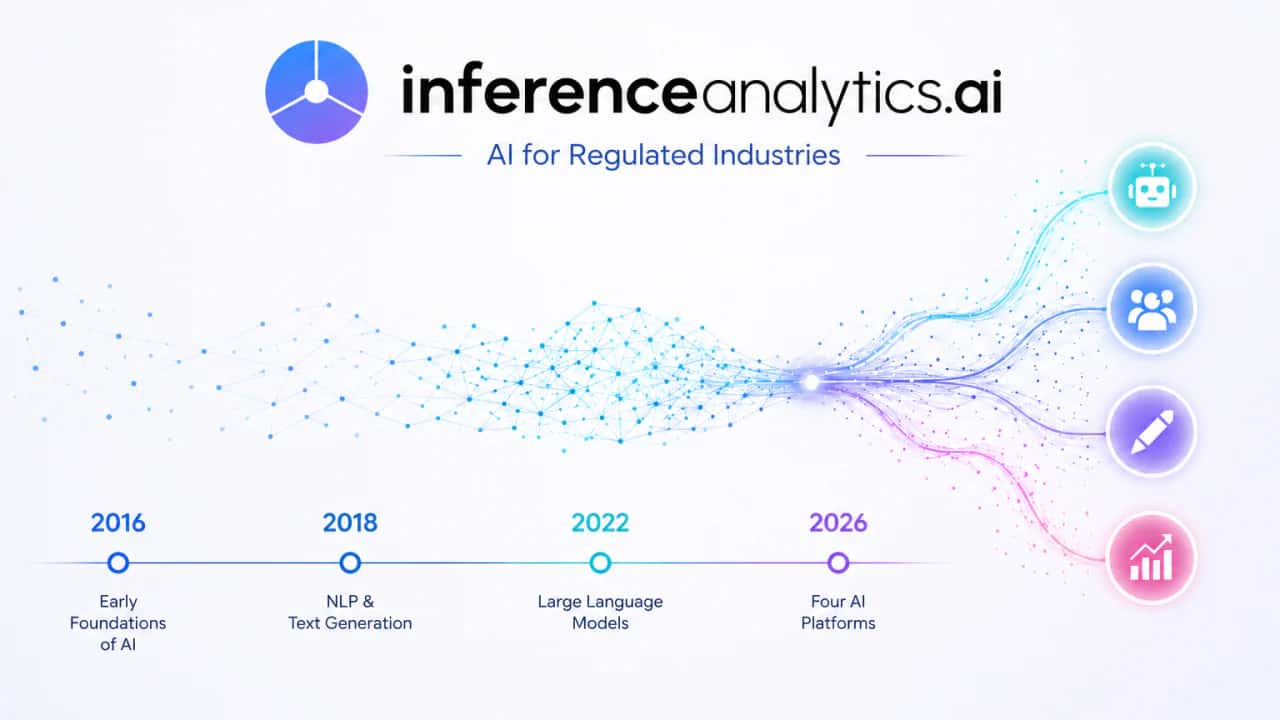
Before ChatGPT. Before boardroom AI mandates. Before “hallucination” became a mainstream concern.
We were working on a harder problem: how to make probabilistic text generation trustworthy in regulated environments - where a wrong answer isn't a UX flaw, it's a liability.
That was 2018.
Back then, it wasn't “GenAI.” It was just NLP - applied inside hospitals, under real constraints. No foundation models, no shortcuts. Just the discipline of building systems that had to be right, auditable, and safe to deploy.
That environment shaped how we think about AI to this day.
Today, Inference Analytics operates four platforms, all grounded in those early lessons:
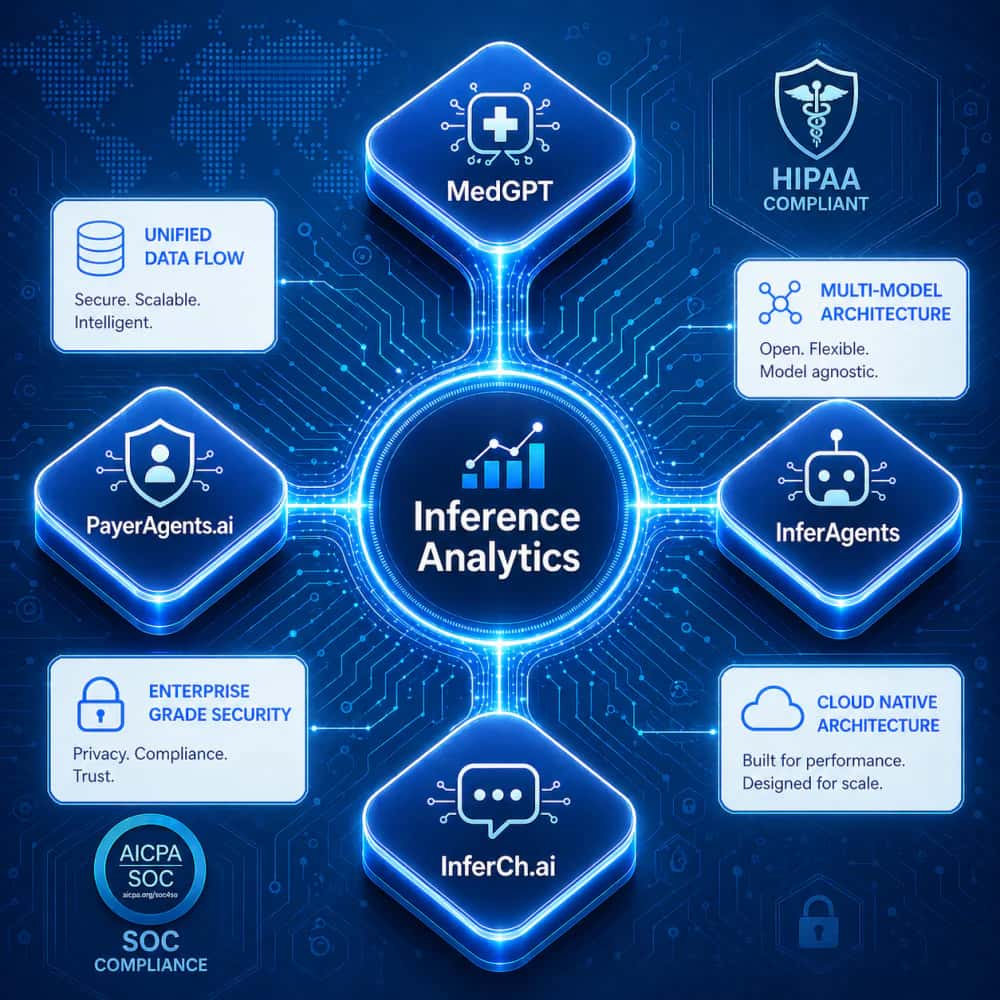
- 🏥 MedGPT - AI designed for hospitals and health systems. Deployed at large academic medical centers in the U.S., driving real usage across administrative workflows. Not a pilot - production, compliant, and scaling.
- 💰 PayerAgents.ai - Payers automated denials. We automated the response. Millions recovered revenue through AI-powered appeals and prior authorization workflows - built specifically to handle compliance constraints that generic GenAI struggles with.
- 🛠️ InferAgents.ai - A no-code studio for building AI agents in regulated environments. Because in healthcare and enterprise IT, speed only matters if it comes with control, security, and compliance.
- 🌐 InferCh.ai - A unified interface across GPT, Claude, Gemini, and more - so teams can use the right model for the right task without operational overhead.
Nearly a decade in, one thing is clear:
The companies succeeding with AI aren't just moving fast - they understand where these systems break, and they build with those constraints in mind from day one.
Regulated AI isn't a feature set. It's a discipline. The same focus is needed in other regulated industries like Telecom.
And the difference between teams that have operated in that reality - and those just entering it - isn't incremental. It's structural.
That's where we operate.